
Transportation in Bali is facilitated by two minibus companies:
A. Kura Kura
B. Perama
For better alternatives to Uber, consider using Go-Jek, Grab, or Maxim. However, some areas may restrict these apps to protect local drivers. In such cases, finding a driver on the street might be necessary, albeit at higher rates for short distances. Public transportation in Bali is inexpensive but slow, ideal for budget travelers. Scooter and car rentals are popular options as well (details in the next section).
Driving in Indonesia can be chaotic whether on a car or scooter, especially when driving on the left side of the road.
Renting a car is not recommended due to the challenging driving conditions; opting for a car with a driver is safer. Renting a scooter is suitable only if you are confident in your riding skills.
Avoid renting scooters from street vendors to prevent scams. Use reputable rental services recommended by hotels or trusted sources.
Never leave valuables under the scooter seat as theft is common.
Before arriving in Bali, obtain an international driver’s license.
It’s crucial to have a scooter license for insurance coverage in case of accidents. Ensure your rental agreement includes comprehensive insurance against theft, accidents, or total loss.
Mark your scooter uniquely to distinguish it among others in crowded parking areas. Keep the rental contact’s number handy for emergencies.
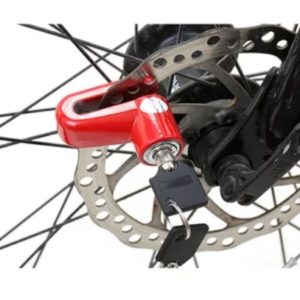
To secure your scooter, consider purchasing a disc lock, available at motorcycle shops along the way, to prevent theft.
Carry a raincoat (poncho) under the scooter seat for unexpected weather changes.

Closed shoes and a helmet with a front reflector are essential for safety.
Drive cautiously; Indonesian roads pose unique challenges, including stray animals and oversized vehicle loads that can spill onto roads unexpectedly.
Avoid driving through puddles on roadsides, which may hide deep and dangerous potholes. Be cautious of narrow roads with few signs and intersections lacking traffic controls.

Before overtaking, signal with a brief beep to alert others.
At traffic lights, exercise caution; vehicles may not stop immediately upon a red light change. Wait a few seconds before proceeding on green to avoid cross-traffic running red lights, especially at night.
In case of rental scooter damage or loss, act with integrity. Many rental operators do not collect personal details, so returning to settle damages demonstrates honesty and fairness.
Late at night when traffic is sparse, individuals on scooters may snatch bags from people walking or riding scooters. To prevent this, avoid carrying bags loosely strapped around your body; secure them under your shirt. When riding a scooter, keep your bag under the seat. Avoid using your phone openly, especially at night, as it can attract thieves. While incidents are rare and locals actively deter such activities, it’s wise to stay cautious, especially in quieter areas.
Bali is generally safe, but caution is advised in nightlife. Avoid confrontation, apologize when necessary, and refrain from excessive drinking. beware of pickpockets in Kuta. Stick to reputable bars for drinks to avoid unsafe homemade alcohol, which can be hazardous.
Prices for hotels in Bali range from a few dollars to thousands per night. Clean 3-star hotels can be found for $20-30, and air-conditioned rooms in Kuta start around $10.
Booking hotels in advance for your entire trip isn’t recommended due to Bali’s diverse regions. Experience the area first before committing to more than one night. Except during peak seasons (July, August, December), finding accommodation shouldn’t be an issue. For upscale hotels, it’s advisable to book ahead. Bali offers a vast selection of villas, ideal for families or large groups, often at better rates than hotels.
Avoid booking hotels in Denpasar, the capital of Bali.
When exchanging money, beware of scams. Only use dedicated exchange offices with clear glass windows, air conditioning. Avoid small booths or shops where scams often occur.
For credit card safety. Be aware that some machines dispense cash before returning the card, leading to forgotten cards.
Visa and MasterCard are widely accepted, American Express isn’t.
When bringing prescription pills like Valium, ensure you have a prescription matching the exact quantity. Possessing more than prescribed can lead to serious legal consequences. Research the legality of your medications in Indonesia beforehand. Drugs like Ritalin/Adderall are strictly prohibited and carry severe penalties.
Drug offers are common in Kuta and the Gili Islands, but beware—possession or use can lead to lengthy prison sentences. Hallucinogenic mushrooms are illegal.
If arriving from Thailand, ensure your belongings are free of any drugs.
When encountering monkeys, avoid petting or smiling at them, as it may provoke them due to their perception of bared teeth as aggression.
At places like the Monkey Forest in Ubud and Uluwatu Temple in South Bali, remove earrings, rings, glasses, and avoid carrying wet wipes, as their scent attracts monkeys. Secure your belongings tightly to prevent them from opening bags or accessing pockets, as they are skilled at this and may attempt to grab items like cell phones.
If a monkey climbs on you, remain calm and let it dismount on its own. Trying to remove them forcefully could result in a bite, leading to potential harm and distress.
Prices are high in tourist areas, so consider negotiating with a driver for a stop at a SIM shop on your way to the hotel to save money. Look for a SIM that includes an internet package—aim for around 100,000 rupiah for a 32 GB package or more.
Even with an internet-only package, you’ll get a local phone number for incoming calls. Keep this number handy as you’ll need it for loading credit or purchasing local services.
All providers offer apps to track your data usage. To buy credit for calls or renew your internet package, visit convenience stores like Indo Maret, Alfa Maret, or Circle K. Once you’ve topped up, use the app to purchase daily, weekly, or monthly internet packages, or even extend coverage to other parts of East Asia for short trips.
While traveling and aiming for Instagram-worthy photos, please avoid supporting:
Photos with captive monkeys performing tricks for tourists.
Visiting attractions with mistreated animals, such as elephants subjected to harsh training.
Viewing dolphins confined in pools after being captured from the wild.
Supporting “Coffee Luwak” farms where animals are caged and fed coffee beans for profit.
Engaging in photo ops with orangutans and tigers in zoos.
Let’s choose responsible tourism and refrain from activities that exploit animals for tourism purposes.
Street Food and Local Restaurants:
Prices range from $4 to $0.5.
Expect spicy flavors.
Specify “no sugar” for coffee or juice.
Stick to bottled water; avoid tap water.
Don’t miss out on street food like Bakso and Warung dishes, rich in options for vegans/vegetarians.
Note that local kitchens can be oily.
Western Restaurants:
Prices range from $10 to $4, with pricier options available.
Plenty of vegetarian/vegan choices.
Imported meat is best quality; local meat varies.
Bali offers dining at affordable prices.
Expect a tax and service charge of 10-21% on bills; tipping isn’t customary.
Allergen Note:
Communicate allergies clearly.
Peanuts are prevalent; consider carrying an allergy card in Indonesian for clarity.
Dry Season (April – September):
Warm and comfortable with low humidity.
Evenings may be cool, especially in higher areas.
Sea temperature around 25°C.
Ideal for surfing the west coast; waves mostly to the left.
Rainy Season (October – March):
Hot and humid; rains occur, typically at night or for a few hours.
Sea temperature around 30°C.
Despite rain, tourism remains active; less crowded than dry season.
Prepare for occasional rain with an umbrella and scooter raincoat.
Special Considerations:
East coast for surfing; waves mostly to the right.
Garbage influx on west coast during windy periods.
Central Bali (Munduk, Ubud, volcanoes) cooler with higher rainfall.
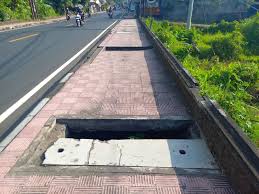
Use a flashlight on your phone when walking in dark areas at night to avoid unexpected potholes on sidewalks.
For unanswered questions on medicines, visas, and other important matters, email your Indonesian embassy to document official responses for future reference.
Avoid swimming at beaches without lifeguards, especially at Kelingking Beach and Dianona Beach in Nusa Penida, due to strong and dangerous currents.
Respect local. avoid raising your voice in public.
Protect yourself from mosquitoes year-round, especially during the rainy season (October-April) when Dengue fever is prevalent.
When bargaining, maintain a friendly demeanor; if the seller doesn’t pursue further, you’ve likely reached the minimum price.
Respect cultural sensitivities: refrain from taking nude photos in sacred places, as it may lead to deportation.
Nyepi holiday, plan ahead as Bali shuts down entirely (including airports), and observe strict rules on light usage.
Dress appropriately for Indonesian events and government offices: wear long pants and closed shoes.
Remember to remove shoes before entering an Indonesian home and shake hands using your right hand only.
For emergencies, dial 110 for police and 118 for an ambulance.